
Niagara Region · Painting & finishing
Considered painting for Niagara-on-the-Lake properties
Painting in Niagara-on-the-Lake often starts with deciding what should change and which details should stay. BYOUT PAINTING assesses walls, doors, trim and cabinetry as defined surfaces, with a preparation plan suited to the building’s use. An Old Town exterior, a home in Virgil and an occupied business can each need a different sequence. Share the property address, intended finish and any existing guidance before approving colours, so the quote can explain both the visible result and the work beneath it.
A plan for your property
Treat colour, retained details and property use together
The Town’s Official Plan distinguishes Old Town, Virgil, St. Davids, Queenston and Glendale. The Town also provides heritage registers, district information and guidance on alterations, including painting. Where a property may be affected, confirm its status and the relevant direction before settling exterior colours or preparation methods. For other projects, detailed trim, connected rooms and the hours a business operates still need a clear surface schedule.
Within Niagara-on-the-Lake
Neighbourhoods and communities we serve.
Old Town
Before an exterior colour change, check the exact property’s heritage status and relevant Town guidance. List retained trim and proposed work clearly so any requirements can inform the preparation and finish schedule before the quotation is finalized.
Virgil
For an occupied home, view wall samples beside existing cabinetry, floors and trim before choosing the repaint boundary. Identify whether the kitchen needs wall painting, a separate cabinet finish assessment or both, with practical protection and access arrangements.
St. Davids
If the project includes an open stair or connected rooms, assess colour and sheen under each space’s actual light. Include ceiling edges and trim in the walkthrough so the scope explains how the finished rooms will relate.
Queenston
For detailed windows, doors or millwork, distinguish cleaning and retained finish from repairs and repainting. Confirm any property-specific heritage considerations first, then document the surfaces and preparation approach rather than relying on a general exterior-painting description.
Glendale
A business inquiry should describe customer routes, deliveries and rooms that can be released for work. Agree a staging and review process around actual operations, without assuming special hours or promising a fixed reopening time before assessment.
From the idea to the scope
Planning examples for your space.
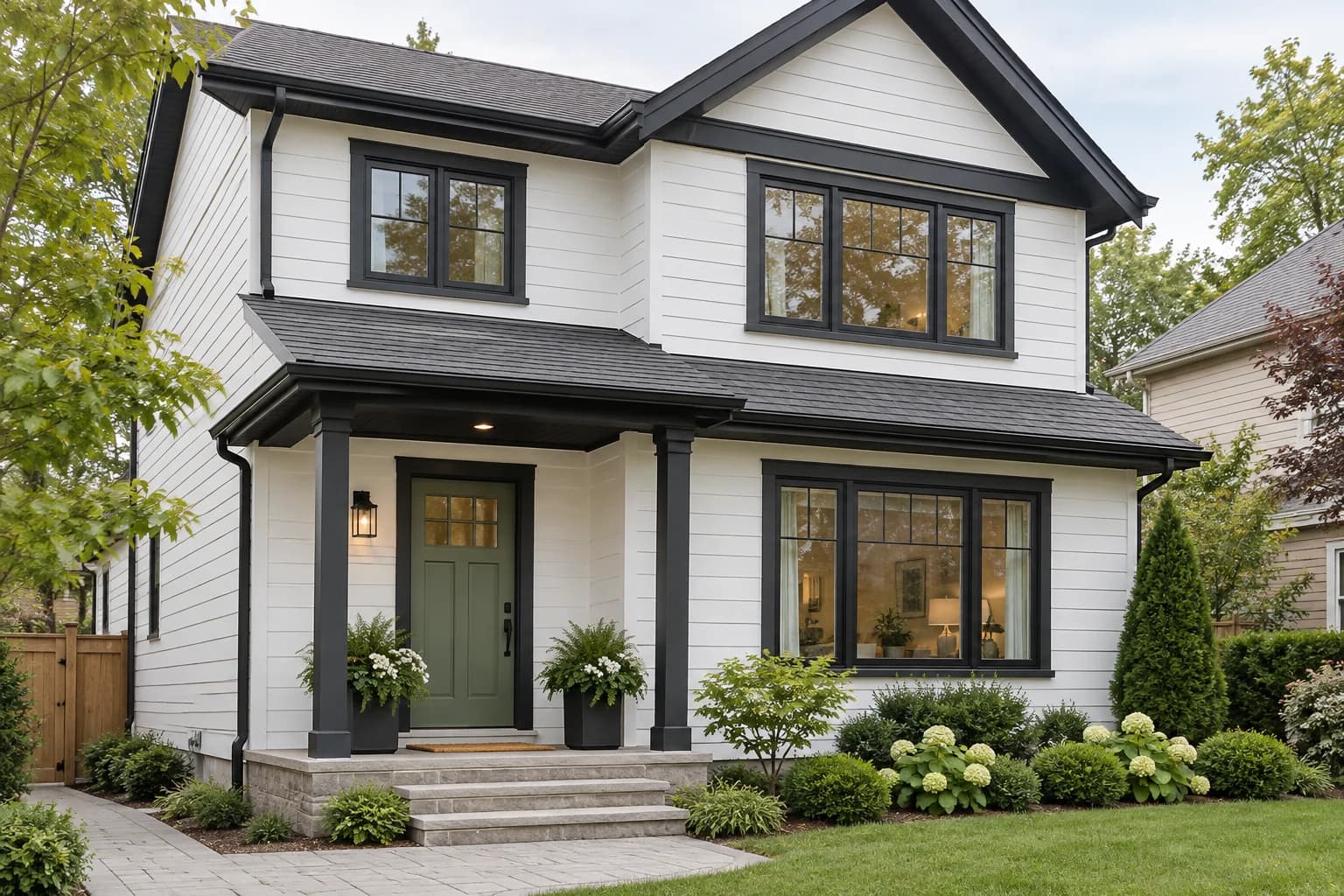
An exterior colour and trim proposal with a clear starting point
If the intended work could affect heritage features, establish the property’s status and the relevant Town direction before approving colours. Record doors, window details and other trim as individual elements, with their existing finish and repair condition. The painting assessment can then separate surface preparation from changes requiring further review. A documented palette and element schedule make the quotation easier to compare without implying that every building in a community follows the same requirements.

A customer-facing interior with coordinated room finishes
For an occupied business, identify the rooms customers use, the surfaces cleaned regularly and the times areas can be released. Review colour samples under the actual lighting, with doors and decorative trim listed separately from walls. The scope can define protection, preparation and a staged review before spaces return to use. Any specific working hours need confirmation, and a cabinet or millwork coating should receive a separate compatibility assessment rather than a general wall-paint allowance.
Local project considerations
Set the palette and detail schedule before work begins
Resolve exterior approvals first
Before changing colours or finishes on a heritage property, check the town’s applicable guidance and approval requirements. An approved palette and clear trim schedule give the painting quote a dependable starting point.
Treat decorative trim as its own scope
Detailed windows, doors and millwork take different preparation from broad walls. List the elements to be painted and the repair expectations separately, particularly where an existing finish has built up over time.
Coordinate customer-facing rooms
For guest accommodation or a business, identify the spaces that can be taken out of use and the surfaces customers regularly touch. Colour samples, finish selection and a handover plan should be settled before work begins.
Questions about colour, heritage context and occupied spaces
What should I check before choosing an exterior colour?
Confirm the exact property’s status through the Town’s heritage information and ask the appropriate staff about the proposed alteration if anything is unclear. The Town provides guidance on painting and approved colours in relevant cases. Share that direction before the scope is finalized; a neighbourhood name alone does not establish what is permitted.
How can quotes for detailed trim be compared fairly?
Give each quotation the same list of doors, windows, casings, baseboards and decorative elements. Ask what preparation, repairs, primer and finish are included for each surface, and record any retained finishes. A single description such as exterior painting does not explain whether detailed components or the same repair standard are covered.
Can a business interior be refreshed in separate stages?
It can be assessed around the rooms, access and operating restrictions you provide. Identify customer routes, contents that must move and who can approve each stage. The proposal should describe preparation and review before reopening a space. Specific hours and completion dates depend on the agreed scope and product instructions.
Local property resources
Municipal information can help you check community boundaries and property-specific requirements before planning exterior changes.
Nearby service areas
A fresh start for your Niagara-on-the-Lake space.
Tell us about your space. We’ll help define the preparation, finishes and next steps.